

Why We Switched to Non-Toxic Cleaners That Actually Work (And Never Looked Back)
In 1992, we didn’t set out to change how we cleaned our house. We tried a sample bucket from Get Clean — samples of both the household cleaners and the laundry products together. I’d been dealing with an unexplained skin reaction. It wasn’t until we started using the laundry products from that bucket that it went away. That was the whole beginning — no grand plan, no eco-awakening, just a problem that disappeared the moment we stopped using what everyone else was using.
That bucket is basically what convinced us the products worked as a system, not just individually — and we’ve been using them the same way since September 1992.
If you’ve already got a bottle of Basic H2 under your sink, this post is for you — and if you want the deeper dive on that bottle specifically, we broke it down fully here. We want to make the case that these are genuinely non-toxic cleaners that actually work, not a trade-off between safe and effective. We’ll also cover which product to reach for next, and, just as importantly, where this line isn’t the right tool for the job.
Non-Toxic Cleaners That Actually Work — And Cost Less
Here’s the part that surprised us most when we first ran the numbers: concentrate math isn’t a small savings, it’s a dramatic one.
Basic H2 is a superconcentrated, all-purpose cleaner. One bottle replaces the window cleaner, the all-purpose spray, the degreaser, and several other single-purpose bottles most households are already buying. Comparing the number of uses on the label against name-brand, ready-to-use products*, one 16-ounce bottle of Basic H2 works out to:
- $480 for the equivalent amount of all-purpose cleaner
- $13,500 for the equivalent amount of window cleaner
- $128 for the equivalent amount of degreaser
*Based on comparing number of uses on labels of conventional, ready-to-use cleaners.
And it’s not just cheaper — it’s more effective. Testing shows these products clean as well as — or better than — leading conventional cleaners, without the harsh chemicals. That’s the detail that changes people’s minds. A lot of us have tried a “green” cleaner before, been disappointed it didn’t clean as well as what we switched away from, and gone back to the old stuff. This isn’t that. It’s a rare case where safer actually means it works better, not as a trade-off — and if you’re curious exactly how these formulas differ from what’s probably under your sink right now, we go deeper on that comparison separately.
It Also Saves Space
There’s a second kind of savings people don’t think about until they see it: space. Because Get Clean products are this concentrated and this multi-purpose, they replace a whole shelf of single-job specialty cleaners. That means they take up a fraction of the room conventional cleaners do. That’s a real difference for a small apartment, a dorm room, an RV, or just a cramped cabinet under the kitchen sink. It also means your whole cleaning kit fits in one small caddy you can carry room to room — no more hunting down six different bottles.

Why We Started With Just One Bottle

Here’s something we hear constantly from customers: they bought Basic H2, they love it, and they never look at anything else in the line. It’s not skepticism. Usually, Basic H2 is so versatile that people don’t realize there’s a purpose-built product sitting right next to it that would do specific jobs even better.
Basic H2 does laundry, floors, windows, degreasing. Sometimes customers use it in ways Shaklee doesn’t even officially list, because they keep finding new uses for it. That versatility is exactly what makes it easy to stop there. But once people try the products actually built for laundry or tough jobs, that usually changes — they end up using two products together rather than picking one over the other. A favorite combo: Basic H2 with Scour Off, for something like a genuinely dirty oven. That’s a job that needs more than Basic H2 alone, and Scour Off handles it well.
Meet the Rest of the Eco-Friendly Cleaning Starter Collection

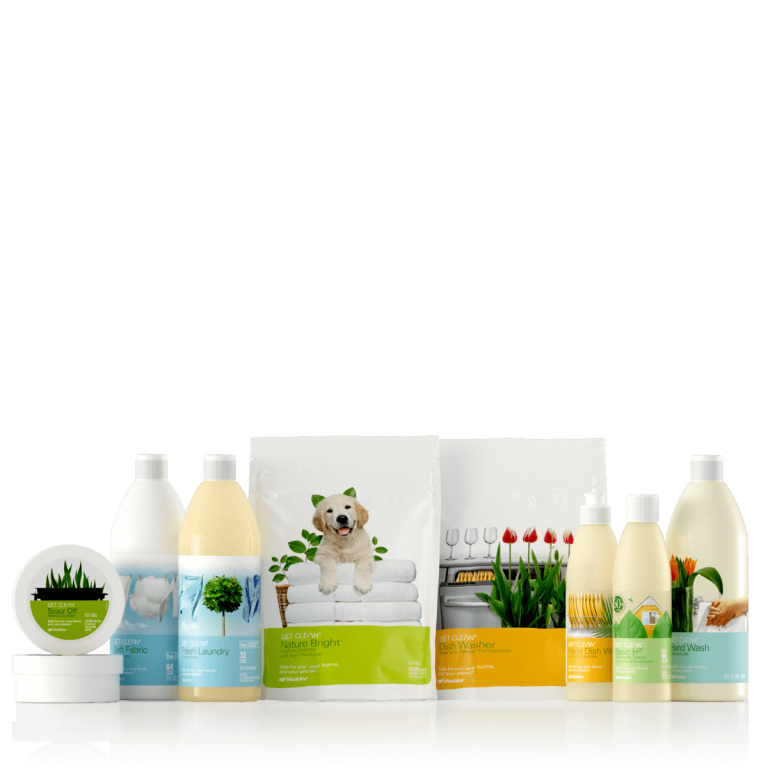
If Basic H2 is the only thing in your cart so far, here’s what you’re missing:
- Fresh Laundry Concentrate — pre-spot and wash with the same bottle. One ounce handles a full load, and it’s phosphate-free.
- Nature Bright Laundry Booster & Stain Remover — built on minerals and enzymes instead of chlorine bleach, it lifts stains, brightens fabrics, and helps eliminate odors without the fumes bleach leaves behind. It also doubles as a genuinely effective toilet bowl cleaner, if you want one bottle pulling double duty.
- Scour Off — the answer for jobs that need more than Basic H2 alone, ovens included. It’s a non-abrasive, biodegradable cream cleanser, so it scrubs sinks, tubs, and hard surfaces without scratching them.
- Dishwasher Concentrate — a concentrated automatic-dishwasher formula that skips the chlorine bleach a lot of other powders still rely on.
- Hand Dish Wash Liquid — plant-based, and tough enough to cut through stuck-on food residue while staying gentle on your hands.
- Hand Wash Concentrate — mild enough for the sink you use fifty times a day. It cleans effectively while helping maintain your skin’s natural moisture balance, instead of drying it out the way a lot of hand soaps do.
Every one of these follows the same idea as Basic H2: plant-based surfactants, enzymes, and mineral cleaners doing the actual work at a molecular level, concentrated enough to last, and multi-purpose enough to replace more than one specialty product currently taking up space in your cabinet.
Where a Disinfectant Actually Belongs in This Lineup
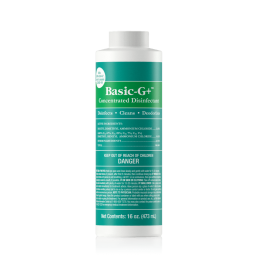
If you specifically need to disinfect — not just clean — that’s a different product: Basic-G+. The EPA has registered it (EPA #6836-364) as a germicide. That means real government testing and registration back its disinfecting claims, not just marketing language. Used according to the label, it’s effective against a defined list of bacteria and viruses on hard, nonporous surfaces.
One distinction worth understanding: Basic-G+ concentrate is strong stuff. The label calls for gloves and avoiding direct skin contact while you’re handling and mixing it. That sounds more intense than it is in practice. You’re only using a small amount of concentrate to make a full 16-ounce spray bottle, the same way you dilute Basic H2. Once you mix it into that spray bottle at the labeled ratio, you’re using it exactly like any other spray cleaner. The caution is about the concentrate itself, not the everyday diluted solution.
This is also the one product in the line we’d treat differently from the “always safe for everything” framing that fits the rest of the collection. Basic-G+ is a genuine disinfectant, and you should use it the way its label says — not casually.
Where This Line Isn’t the Right Tool
We’d rather tell you this upfront than have you find out the hard way. Don’t use Basic H2 on porous surfaces, like a wooden cutting board. Part of what makes it such an effective cleaner is that the formula makes water “wetter.” That’s great on hard, sealed surfaces, but not what you want soaking into a porous one.
Real Households, Real Switches
We’re not the only ones who’ve made this switch. A couple of customers put it better than we could:
“Since they have direct exposure to cleaners, I was burdened by thoughts of how the cleaning chemicals were affecting them in other ways… I am very pleased with the alternatives that Shaklee offers! These are very powerful, environmentally friendly, cost-effective cleaning products… I have totally clean, residue-free dishes; totally clean, irritation-free clothes; and totally clean, fume-free choretime!”
“What makes me comfortable is that I can clean a bathtub and know that my son is safe from anything left behind. I can do laundry with the confidence that it’s okay for him to suck on his blanket or roll around on his crib sheets… I’m passionate about these products because they’re safe for my family, and they’re making a difference in the environment.”
And one of our favorites isn’t even a formal testimonial. A skeptical friend tried a sample bottle of Basic H2, and now calls it her “magic spray.” She uses it on everything, including grime on her car’s leather seats that nothing else had been able to touch.
Get the Full Collection
To recap what makes this collection worth switching to:
Safety comes first: nontoxic, no harmful fumes, hypoallergenic, and formulated without hazardous chemicals like chlorine bleach, phosphoric acid, or petroleum distillates.
Performance holds up too: testing shows these products clean as well as — or better than — leading conventional brands, and every purchase carries a 100% money-back guarantee.
And it’s genuinely green: sustainable ingredients, biodegradable formulas, recyclable packaging, and no animal testing anywhere in the line.
This isn’t a new or untested idea. The Cousteau Society used these cleaners aboard their ocean research vessels for years. Oprah Winfrey featured them multiple times too, including on one of her Favorite Things shows. Shaklee has been building green cleaning products since 1960, back before “green” was a marketing category — it was just how the company operated. Shaklee has spent the 60-plus years since then refining these formulas.
One more detail worth knowing: Shaklee plants a tree for every purchase of Get Clean® Collection through their partnership with veritree.
If you’ve been using just one bottle, it might be time to see what the rest of the collection can do.
Order the Get Clean Starter Collection here.
This post contains affiliate links. We may earn a commission on qualifying purchases at no extra cost to you. All product claims reflect Shaklee’s own published labeling and testing; Basic-G+ disinfecting claims are governed by its EPA registration (EPA #6836-364) — always follow the product label for directions and precautions.


